
Three days. Two conferences. One floor.
Browse the full week below, or jump straight to the Satellite Innovation or MilSat Symposium track.
Tue, Oct 27
16 sessionsBreakfast
After SPCX: The Public Market’s Verdict on Space
Top analysts read on SpaceX’s first public financial results and what they reveal about everyone else.


WRC-27: The Clock Starts Now
A heads-up on the 2027 world conference that divides radio frequencies among satellite operators.
Break
Regulators as Capacity Allocators
How government licensing decisions now determine which satellite networks get to grow.


Orbital Data Centers — Radiators, Watts, and Orbits
The actual hardware for computing in orbit: how you power it and how you keep it cool.

Orbital Data Centers — Investable Infrastructure or Thermodynamic Bet?
The largest capital and engineering story of 2026. Can AI data centers be built in space? Believers and skeptics argue the engineering and the economics.
-
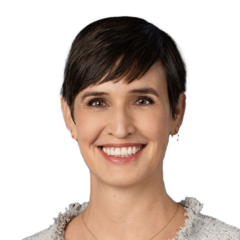 Janna Lewis
Senior VP of Policy & General Counsel
Astroscale U.S. Inc.
Janna Lewis
Senior VP of Policy & General Counsel
Astroscale U.S. Inc.
-
 Jason Aspiotis
CEO & Co-Founder
OwlO Cloud
Jason Aspiotis
CEO & Co-Founder
OwlO Cloud
-
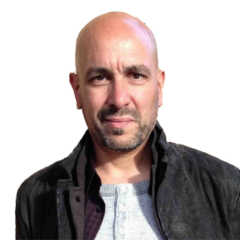 Rob DeMillo
CEO & Cofounder
Sophia Space
Rob DeMillo
CEO & Cofounder
Sophia Space
-
 Filip Rezabek
Co-founder & CTO
SpaceComputer
Filip Rezabek
Co-founder & CTO
SpaceComputer
-
 Dr. Slava Turyshev
Senior Research Scientist
NASA Jet Propulsion Laboratory, California Institute of Technology
Dr. Slava Turyshev
Senior Research Scientist
NASA Jet Propulsion Laboratory, California Institute of Technology
-
 Joseph Yaffe
Chief Operating Officer & Chief Legal Officer
Cowboy Space Corporation
Joseph Yaffe
Chief Operating Officer & Chief Legal Officer
Cowboy Space Corporation
Lunch Sponsored by COMSAT
The Ground Bottleneck: GSaaS, the SCN, and the Capital Squeeze
Ground is the under-programmed bottleneck, and the money agrees: a $100 million Series B for a ground startup in January, a collapsed incumbent divestiture, and a federal facilities line tripling. Ground as the programma




Break – Hors d’oeuvres
Launch Isn’t Settled: Scarcity, Queues, and the 2029 Gap
Demand outstrips supply, prices are rising across dedicated and rideshare, and analysts project a capacity rough spot in 2029 and 2030. The session is reframed from vehicle showcase to allocation economics: who gets a ma

Mission Software Lessons of 2026
What this year’s AI surge teaches the industry about software directions for growth.

License to Operate: The Crowded Highways of LEO
The side effects of launching thousands of satellites: A look at tracking catalogs, monitoring traffic, and the advocacy for real space-traffic coordination..

Breakfast
After SPCX: The Public Market’s Verdict on Space
Top analysts read on SpaceX’s first public financial results and what they reveal about everyone else.
WRC-27: The Clock Starts Now
A heads-up on the 2027 world conference that divides radio frequencies among satellite operators.
Break
Regulators as Capacity Allocators
How government licensing decisions now determine which satellite networks get to grow.
Orbital Data Centers — Radiators, Watts, and Orbits
The actual hardware for computing in orbit: how you power it and how you keep it cool.
Orbital Data Centers — Investable Infrastructure or Thermodynamic Bet?
The largest capital and engineering story of 2026. Can AI data centers be built in space? Believers and skeptics argue the engineering and the economics.
-
Janna Lewis
Senior VP of Policy & General Counsel
Astroscale U.S. Inc.
-
Jason Aspiotis
CEO & Co-Founder
OwlO Cloud
-
Rob DeMillo
CEO & Cofounder
Sophia Space
-
Filip Rezabek
Co-founder & CTO
SpaceComputer
-
Dr. Slava Turyshev
Senior Research Scientist
NASA Jet Propulsion Laboratory, California Institute of Technology
-
Joseph Yaffe
Chief Operating Officer & Chief Legal Officer
Cowboy Space Corporation
Lunch Sponsored by COMSAT
The Ground Bottleneck: GSaaS, the SCN, and the Capital Squeeze
Ground is the under-programmed bottleneck, and the money agrees: a $100 million Series B for a ground startup in January, a collapsed incumbent divestiture, and a federal facilities line tripling. Ground as the programma
Break – Hors d’oeuvres
Launch Isn’t Settled: Scarcity, Queues, and the 2029 Gap
Demand outstrips supply, prices are rising across dedicated and rideshare, and analysts project a capacity rough spot in 2029 and 2030. The session is reframed from vehicle showcase to allocation economics: who gets a ma
Mission Software Lessons of 2026
What this year’s AI surge teaches the industry about software directions for growth.
License to Operate: The Crowded Highways of LEO
The side effects of launching thousands of satellites: A look at tracking catalogs, monitoring traffic, and the advocacy for real space-traffic coordination..
Wed, Oct 28
17 sessionsBreakFast
Sovereign Constellations and the Fragmenting Market
Europe and China are building government-backed satellite networks. What that does to American companies.




Protected PNT: The Unfunded Resilience Buy
Backup systems for GPS exist, but almost nobody is paying for them.

Break
Buses vs. Vertical Integration: Who Builds the Proliferated Era
The factory question: standardized satellite platforms versus companies that build everything themselves. The fight is who builds the proliferated era and who finances production before contract certainty. The industria
Commercial EO’s Government Dependency Problem
Satellite-imagery companies depend on a few government contracts, and that dependence is now a business risk.
Lunch
MilSat Symposium begins
The national-security half of Silicon Valley Space Week starts here.
Building Warfighter-Ready Space Systems: Autonomy, Logistics, and On-Orbit Servicing
Looking at how the military is trying to change its orbital architecture from fragile, stationary targets into a dynamic, sustainable fleet. Here is a breakdown of the core concepts to be discussed. 1. Warfighter-Ready S
-
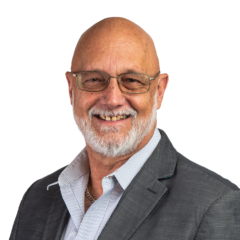 Prof. Andy Kwas
MODERATOR
NG Fellow
Northrop Grumman
Prof. Andy Kwas
MODERATOR
NG Fellow
Northrop Grumman
-
 Dr. Robert Antypas
Space Access, Mobility, and Logistics Mission Area Lead
US Air Force Research Laboratory – AFRL
Dr. Robert Antypas
Space Access, Mobility, and Logistics Mission Area Lead
US Air Force Research Laboratory – AFRL
-
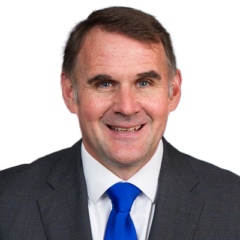 Dr. David Denhard
Chief Scientist & Technical Advisor
US Air Force – Space Systems Command
Dr. David Denhard
Chief Scientist & Technical Advisor
US Air Force – Space Systems Command
-
 John Rood
Chairman of the Board, President, and CEO
Momentus
John Rood
Chairman of the Board, President, and CEO
Momentus
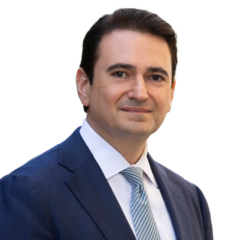
The Space Data Network: Backbone or Single Point of Failure?
The budget made the mesh decision; the fight now is execution and concentration. 2027 shifts transport from SDA’s Tranche 3 plans to an SDN backbone and instead funds a $1.6 billion Proliferated LEO SATCOM line identifie
-
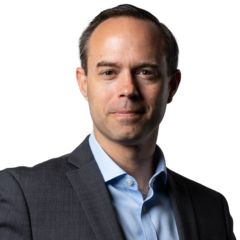 Preston Dunlap
MODERATOR
Founder and Managing Partner
Arkenstone Capital
Preston Dunlap
MODERATOR
Founder and Managing Partner
Arkenstone Capital
-
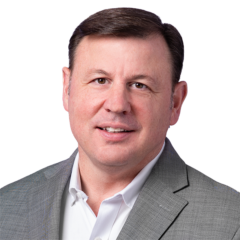 Michael Geist
SVP Strategy, Innovation & Growth
SES Space & Defense
Michael Geist
SVP Strategy, Innovation & Growth
SES Space & Defense
-
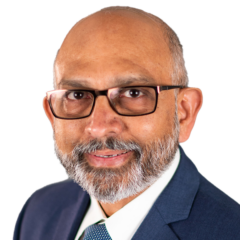 Dr. Rajeev Gopal
VP, Advanced Programs Defense Division
Hughes Network Systems
Dr. Rajeev Gopal
VP, Advanced Programs Defense Division
Hughes Network Systems
-
 Dr. Lucy Hoag
Founder and CEO
Violet Labs
Dr. Lucy Hoag
Founder and CEO
Violet Labs
-
 John Malsbury
CEO & Founder
AnySignal
John Malsbury
CEO & Founder
AnySignal
-
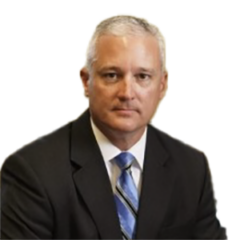 Jim Scott
Chief Strategy Officer
US Electrodynamics
Jim Scott
Chief Strategy Officer
US Electrodynamics
Break
Buy What We Can vs. the Build-First Budget
-
 Chris Quilty
MODERATOR
CEO & President
Quilty Space
Chris Quilty
MODERATOR
CEO & President
Quilty Space
-
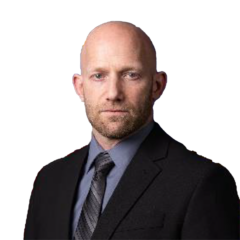 Justin Langlois
Deputy Director, Commercial Systems Program Officer
National Reconnaissance Office – NRO
Justin Langlois
Deputy Director, Commercial Systems Program Officer
National Reconnaissance Office – NRO
-
 Rich Pang
Principal Business Development Lead
Amazon Leo Government
Rich Pang
Principal Business Development Lead
Amazon Leo Government
-
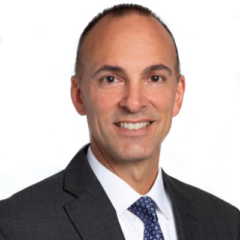 Bob Pescatore
General Manager/Vice President – Products
Voyager
Bob Pescatore
General Manager/Vice President – Products
Voyager
-
 Col Timothy Trimailo
Director, Commercial Space Office (COMSO)
Space Systems Command (SSC)
Col Timothy Trimailo
Director, Commercial Space Office (COMSO)
Space Systems Command (SSC)
NGA and NRO Future Purchases
The government’s mapping-intelligence agency explains what commercial imagery and analysis it plans to buy next.
Evening Reception
BreakFast
Sovereign Constellations and the Fragmenting Market
Europe and China are building government-backed satellite networks. What that does to American companies.
Protected PNT: The Unfunded Resilience Buy
Backup systems for GPS exist, but almost nobody is paying for them.
Break
Buses vs. Vertical Integration: Who Builds the Proliferated Era
The factory question: standardized satellite platforms versus companies that build everything themselves. The fight is who builds the proliferated era and who finances production before contract certainty. The industria
Commercial EO’s Government Dependency Problem
Satellite-imagery companies depend on a few government contracts, and that dependence is now a business risk.
Lunch
Building Warfighter-Ready Space Systems: Autonomy, Logistics, and On-Orbit Servicing
Looking at how the military is trying to change its orbital architecture from fragile, stationary targets into a dynamic, sustainable fleet. Here is a breakdown of the core concepts to be discussed. 1. Warfighter-Ready S
-
Prof. Andy Kwas
MODERATOR
NG Fellow
Northrop Grumman
-
Dr. Robert Antypas
Space Access, Mobility, and Logistics Mission Area Lead
US Air Force Research Laboratory – AFRL
-
Dr. David Denhard
Chief Scientist & Technical Advisor
US Air Force – Space Systems Command
-
John Rood
Chairman of the Board, President, and CEO
Momentus
The Space Data Network: Backbone or Single Point of Failure?
The budget made the mesh decision; the fight now is execution and concentration. 2027 shifts transport from SDA’s Tranche 3 plans to an SDN backbone and instead funds a $1.6 billion Proliferated LEO SATCOM line identifie
-
Preston Dunlap
MODERATOR
Founder and Managing Partner
Arkenstone Capital
-
Michael Geist
SVP Strategy, Innovation & Growth
SES Space & Defense
-
Dr. Rajeev Gopal
VP, Advanced Programs Defense Division
Hughes Network Systems
-
Dr. Lucy Hoag
Founder and CEO
Violet Labs
-
John Malsbury
CEO & Founder
AnySignal
-
Jim Scott
Chief Strategy Officer
US Electrodynamics
Break
Buy What We Can vs. the Build-First Budget
-
Chris Quilty
MODERATOR
CEO & President
Quilty Space
-
Justin Langlois
Deputy Director, Commercial Systems Program Officer
National Reconnaissance Office – NRO
-
Rich Pang
Principal Business Development Lead
Amazon Leo Government
-
Bob Pescatore
General Manager/Vice President – Products
Voyager
-
Col Timothy Trimailo
Director, Commercial Space Office (COMSO)
Space Systems Command (SSC)
NGA and NRO Future Purchases
The government’s mapping-intelligence agency explains what commercial imagery and analysis it plans to buy next.
Thu, Oct 29
15 sessionsBreakFast
Golden Dome – Accelerating Industrial Capability on a 2028 Clock
Twelve companies won contracts to build missile interceptors in space. Can industry actually deliver by 2028.
-
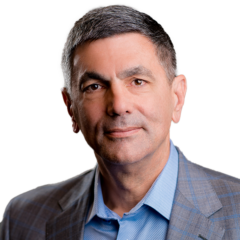 Phil Carrai
MODERATOR
President, Space, Training & Cyber Division
Kratos Space, Training and Cybersecurity
Phil Carrai
MODERATOR
President, Space, Training & Cyber Division
Kratos Space, Training and Cybersecurity
-
 Dr. David Baughman
VP, BD and Strategy
Frontier Aerospace Corporation
Dr. David Baughman
VP, BD and Strategy
Frontier Aerospace Corporation
- Mike Conschafter Director of Business Development, Spectral Solutions L3Harris
- Myland Pride Director, OPIR and Tactical Space Strategy and Customer Engagement Lockheed Martin
-
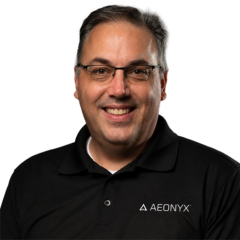 John Trionfo
CEO
Aeonyx
John Trionfo
CEO
Aeonyx
CASR After FOC: Who Owns the Risk?
If a requisitioned commercial satellite is attacked, who carries the loss. Indemnification language remains publicly unresolved as the program crosses full operational capability,
Break
Commercial GEOINT for the Battlefield
Commercial satellite photos are entering military decisions. How are they being used and by whom.



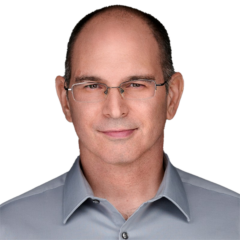
Space Control as a Market: RG-XX, RPO, and the Limits of Commercial Combat Support
The military is hiring private companies to watch, refuel, and guard satellites. It is is moving away from massive, static satellites and toward agile, commercially supported fleets that can actively maneuver in a conte

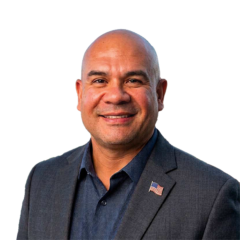


Lunch
GPS Under Attack: Jamming, Spoofing, and the PNT Fight
The Space Force office buying missile interceptors and surveillance satellites explains its sprint.
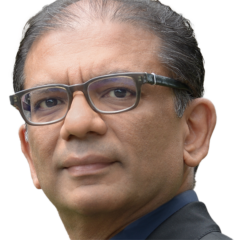

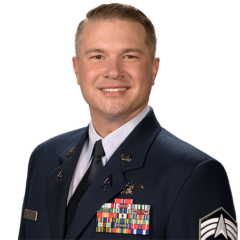

CASR: State of the Reserve
An update on the new program that lets the military call up commercial satellites in a crisis, a civil reserve for space.
Break – Hors d’oeuvres
How Commercial Space Companies Can Support Future Defense Space Architectures with speed, flexibility, and affordability
The "future architecture" is heavily proliferated. This means relying on hundreds or thousands of smaller, cheaper, networked satellites in Low Earth Orbit (LEO). If an adversary disables one, the rest of the network sea
-
Janna Lewis
MODERATOR
Senior VP of Policy & General Counsel
Astroscale U.S. Inc.
-
 Allyson Jenkins
Vice President, Public Sector
Pixxel
Allyson Jenkins
Vice President, Public Sector
Pixxel
-
 Sho Nakanose
Founder & CEO
GITAI USA Inc.
Sho Nakanose
Founder & CEO
GITAI USA Inc.
-
 Dr. Robbie Robertson
CEO & Co-founder
Sedaro
Dr. Robbie Robertson
CEO & Co-founder
Sedaro
-
 Karl Stedman
CEO
Pulse Space
Karl Stedman
CEO
Pulse Space
-
 Brian Rishikof
Co-Founder and CEO
Odyssey Space Research, L.L.C.
Brian Rishikof
Co-Founder and CEO
Odyssey Space Research, L.L.C.
The New Space Insurance Market
Who insures a satellite destined for National Security? A new market is forming around that question.
Hybrid Space Architecture: Commercial Integration in Practice
DIU’s program is the second commercial-integration thread after CASR and the practical one: multi-vendor, multi-orbit data transport actually under contract.
BreakFast
Golden Dome – Accelerating Industrial Capability on a 2028 Clock
Twelve companies won contracts to build missile interceptors in space. Can industry actually deliver by 2028.
-
Phil Carrai
MODERATOR
President, Space, Training & Cyber Division
Kratos Space, Training and Cybersecurity
-
Dr. David Baughman
VP, BD and Strategy
Frontier Aerospace Corporation
- Mike Conschafter Director of Business Development, Spectral Solutions L3Harris
- Myland Pride Director, OPIR and Tactical Space Strategy and Customer Engagement Lockheed Martin
-
John Trionfo
CEO
Aeonyx
CASR After FOC: Who Owns the Risk?
If a requisitioned commercial satellite is attacked, who carries the loss. Indemnification language remains publicly unresolved as the program crosses full operational capability,
Break
Commercial GEOINT for the Battlefield
Commercial satellite photos are entering military decisions. How are they being used and by whom.
Space Control as a Market: RG-XX, RPO, and the Limits of Commercial Combat Support
The military is hiring private companies to watch, refuel, and guard satellites. It is is moving away from massive, static satellites and toward agile, commercially supported fleets that can actively maneuver in a conte
Lunch
GPS Under Attack: Jamming, Spoofing, and the PNT Fight
The Space Force office buying missile interceptors and surveillance satellites explains its sprint.
CASR: State of the Reserve
An update on the new program that lets the military call up commercial satellites in a crisis, a civil reserve for space.
Break – Hors d’oeuvres
How Commercial Space Companies Can Support Future Defense Space Architectures with speed, flexibility, and affordability
The "future architecture" is heavily proliferated. This means relying on hundreds or thousands of smaller, cheaper, networked satellites in Low Earth Orbit (LEO). If an adversary disables one, the rest of the network sea
-
Janna Lewis
MODERATOR
Senior VP of Policy & General Counsel
Astroscale U.S. Inc.
-
Allyson Jenkins
Vice President, Public Sector
Pixxel
-
Sho Nakanose
Founder & CEO
GITAI USA Inc.
-
Dr. Robbie Robertson
CEO & Co-founder
Sedaro
-
Karl Stedman
CEO
Pulse Space
-
Brian Rishikof
Co-Founder and CEO
Odyssey Space Research, L.L.C.
The New Space Insurance Market
Who insures a satellite destined for National Security? A new market is forming around that question.
Hybrid Space Architecture: Commercial Integration in Practice
DIU’s program is the second commercial-integration thread after CASR and the practical one: multi-vendor, multi-orbit data transport actually under contract.