
08:00
09:00
SVSW 2026 · Oct 27 – 29 · Mountain View
Satellite Innovation
Formats
Locations
Tue, Oct 27
16 sessions
09:00
09:30
09:30
10:15
Regulators as Capacity Allocators
How government licensing decisions now determine which satellite networks get to grow.
-
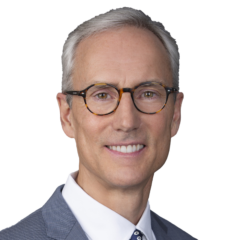 Brian Weimer
MODERATOR
Partner; Space & Satellite Practice Leader
Sheppard
Brian Weimer
MODERATOR
Partner; Space & Satellite Practice Leader
Sheppard
-
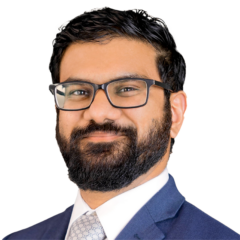 Dr. Yaswant Devarakonda
Manager for the Space & Spectrum Policy Center
CCIA
Dr. Yaswant Devarakonda
Manager for the Space & Spectrum Policy Center
CCIA
-
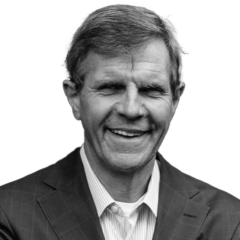 Kevin Kelly
Partner
Actum LLC
Kevin Kelly
Partner
Actum LLC
-
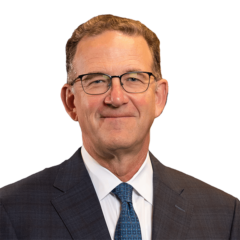 Karl Kensinger
Deputy Chief of the Satellite Division
FCC – Federal Communications Commission
Karl Kensinger
Deputy Chief of the Satellite Division
FCC – Federal Communications Commission
-
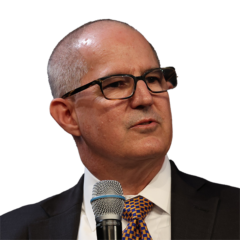 Scott Patrick
Executive Director, Office of Spectrum Management
National Telecommunications and Information Administration
Scott Patrick
Executive Director, Office of Spectrum Management
National Telecommunications and Information Administration
-
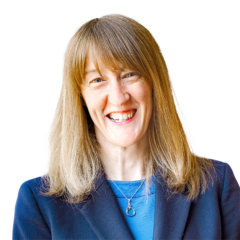 Dr. Jennifer Stone
Chief Strategy Officer
River Advisers
Dr. Jennifer Stone
Chief Strategy Officer
River Advisers
10:15
10:30
Part 100: A New Era for FCC Space Licensing
A heads-up on Space Licensing, Rebuilt: What the FCC’s Part 100 Rules Change
10:30
11:00
Break
11:00
11:45
After SPCX: The Public Market’s Verdict on Space
Top analysts read on SpaceX’s first public financial results and what they reveal about everyone else.
-
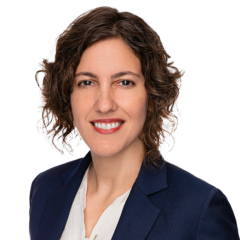 Alexis Sáinz
MODERATOR
Partner
Hogan Lovells
Alexis Sáinz
MODERATOR
Partner
Hogan Lovells
-
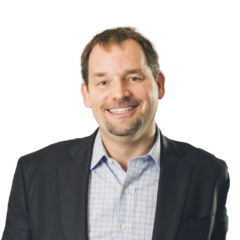 Mike Collett
Managing Partner
Promus Ventures
Mike Collett
Managing Partner
Promus Ventures
-
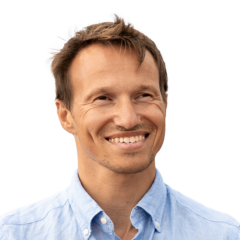 Dr. Oleg Demidov
General Partner
Beyond Earth Ventures
Dr. Oleg Demidov
General Partner
Beyond Earth Ventures
-
 Alyssa Goessler Goodwin
Vice President
AE Industrial Partners
Alyssa Goessler Goodwin
Vice President
AE Industrial Partners
-
 Sunil Nagaraj
Founding Partner
Ubiquity Ventures
Sunil Nagaraj
Founding Partner
Ubiquity Ventures
-
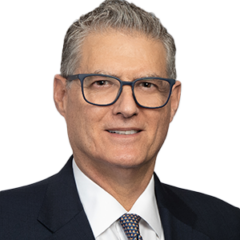 Karl Schmidt
Managing Director
KippsDeSanto & Co
Karl Schmidt
Managing Director
KippsDeSanto & Co
11:45
12:15
Orbital Data Centers — Radiators, Watts, and Orbits
The actual hardware for computing in orbit: how you power it and how you keep it cool.

12:15
13:00
Orbital Data Centers — Investable Infrastructure or Thermodynamic Bet?
The largest capital and engineering story of 2026. Can AI data centers be built in space? Believers and skeptics argue the engineering and the economics.
-
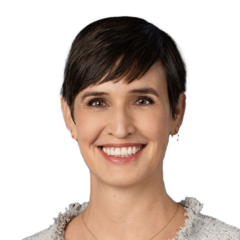 Janna Lewis
Senior VP of Policy & General Counsel
Astroscale U.S. Inc.
Janna Lewis
Senior VP of Policy & General Counsel
Astroscale U.S. Inc.
-
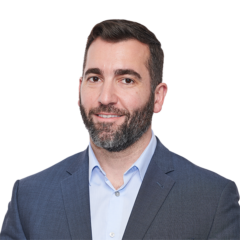 Jason Aspiotis
CEO & Co-Founder
OwlO Cloud
Jason Aspiotis
CEO & Co-Founder
OwlO Cloud
-
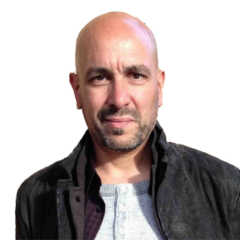 Rob DeMillo
CEO & Cofounder
Sophia Space
Rob DeMillo
CEO & Cofounder
Sophia Space
-
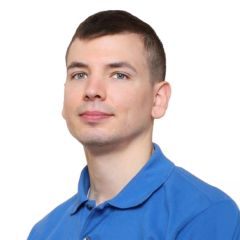 Filip Rezabek
Co-founder & CTO
SpaceComputer
Filip Rezabek
Co-founder & CTO
SpaceComputer
-
 Dr. Slava Turyshev
Senior Research Scientist
NASA Jet Propulsion Laboratory, California Institute of Technology
Dr. Slava Turyshev
Senior Research Scientist
NASA Jet Propulsion Laboratory, California Institute of Technology
-
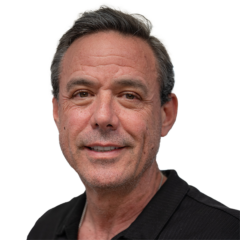 Joseph Yaffe
Chief Operating Officer & Chief Legal Officer
Cowboy Space Corporation
Joseph Yaffe
Chief Operating Officer & Chief Legal Officer
Cowboy Space Corporation
13:00
14:00
Lunch Sponsored by COMSAT
14:00
14:45
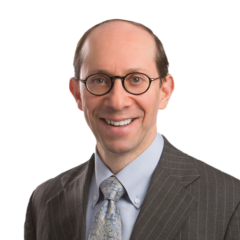
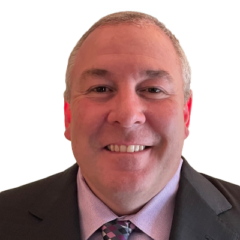
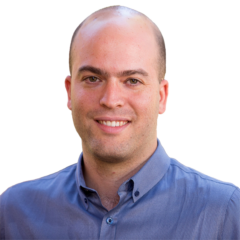
The Ground Bottleneck: GSaaS, the SCN, and the Capital Squeeze
Ground is the under-programmed bottleneck, and the money agrees: a $100 million Series B for a ground startup in January, a collapsed incumbent divestiture, and a federal facilities line tripling. Ground as the programma



14:45
15:05
15:05
15:50

15:50
16:15
Break – Hors d’oeuvres
16:15
17:00
Launch Isn’t Settled: Scarcity, Queues, and the 2029 Gap
Demand outstrips supply, prices are rising across dedicated and rideshare, and analysts project a capacity rough spot in 2029 and 2030. The session is reframed from vehicle showcase to allocation economics: who gets a ma
-
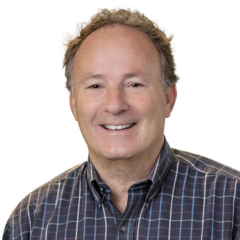 Curt Blake
MODERATOR
Senior Of Counsel
Wilson Sonsini
Curt Blake
MODERATOR
Senior Of Counsel
Wilson Sonsini
-
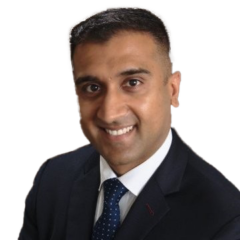 Nishant Choksi
Director, Commercial & International Sales
Blue Origin
Nishant Choksi
Director, Commercial & International Sales
Blue Origin
-
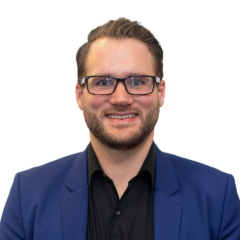 Michael Creech
VP, Strategy & Business Development
Firefly Aerospace
Michael Creech
VP, Strategy & Business Development
Firefly Aerospace
-
 Evan Hoyt
President
SEOPS
Evan Hoyt
President
SEOPS
-
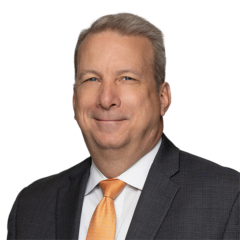 Clint Hunt
Senior Director, Government Operations
United Launch Alliance
Clint Hunt
Senior Director, Government Operations
United Launch Alliance
-
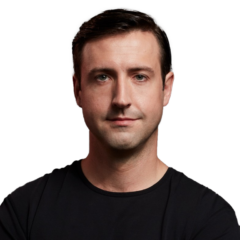 Devon Papandrew
VP Business Development
Stoke Space
Devon Papandrew
VP Business Development
Stoke Space
17:00
17:15
Mission Software Lessons of 2026
What this year’s AI surge teaches the industry about software directions for growth.

17:15
17:30
License to Operate: The Crowded Highways of LEO
The side effects of launching thousands of satellites: A look at tracking catalogs, monitoring traffic, and the advocacy for real space-traffic coordination..
08:00
09:00
09:30
10:15
10:30
11:00
11:45
12:15
13:00
14:00
14:45
15:05
15:50
16:15
17:00
17:15
08:00
09:00
Breakfast
09:00
09:30
09:30
10:15
Regulators as Capacity Allocators
How government licensing decisions now determine which satellite networks get to grow.
-
Brian Weimer
MODERATOR
Partner; Space & Satellite Practice Leader
Sheppard
-
Dr. Yaswant Devarakonda
Manager for the Space & Spectrum Policy Center
CCIA
-
Kevin Kelly
Partner
Actum LLC
-
Karl Kensinger
Deputy Chief of the Satellite Division
FCC – Federal Communications Commission
-
Scott Patrick
Executive Director, Office of Spectrum Management
National Telecommunications and Information Administration
-
Dr. Jennifer Stone
Chief Strategy Officer
River Advisers
10:15
10:30
Part 100: A New Era for FCC Space Licensing
A heads-up on Space Licensing, Rebuilt: What the FCC’s Part 100 Rules Change
10:30
11:00
Break
11:00
11:45
After SPCX: The Public Market’s Verdict on Space
Top analysts read on SpaceX’s first public financial results and what they reveal about everyone else.
-
Alexis Sáinz
MODERATOR
Partner
Hogan Lovells
-
Mike Collett
Managing Partner
Promus Ventures
-
Dr. Oleg Demidov
General Partner
Beyond Earth Ventures
-
Alyssa Goessler Goodwin
Vice President
AE Industrial Partners
-
Sunil Nagaraj
Founding Partner
Ubiquity Ventures
-
Karl Schmidt
Managing Director
KippsDeSanto & Co
11:45
12:15
Orbital Data Centers — Radiators, Watts, and Orbits
The actual hardware for computing in orbit: how you power it and how you keep it cool.
12:15
13:00
Orbital Data Centers — Investable Infrastructure or Thermodynamic Bet?
The largest capital and engineering story of 2026. Can AI data centers be built in space? Believers and skeptics argue the engineering and the economics.
-
Janna Lewis
Senior VP of Policy & General Counsel
Astroscale U.S. Inc.
-
Jason Aspiotis
CEO & Co-Founder
OwlO Cloud
-
Rob DeMillo
CEO & Cofounder
Sophia Space
-
Filip Rezabek
Co-founder & CTO
SpaceComputer
-
Dr. Slava Turyshev
Senior Research Scientist
NASA Jet Propulsion Laboratory, California Institute of Technology
-
Joseph Yaffe
Chief Operating Officer & Chief Legal Officer
Cowboy Space Corporation
13:00
14:00
Lunch Sponsored by COMSAT
14:00
14:45
The Ground Bottleneck: GSaaS, the SCN, and the Capital Squeeze
Ground is the under-programmed bottleneck, and the money agrees: a $100 million Series B for a ground startup in January, a collapsed incumbent divestiture, and a federal facilities line tripling. Ground as the programma
14:45
15:05
15:05
15:50
15:50
16:15
Break – Hors d’oeuvres
16:15
17:00
Launch Isn’t Settled: Scarcity, Queues, and the 2029 Gap
Demand outstrips supply, prices are rising across dedicated and rideshare, and analysts project a capacity rough spot in 2029 and 2030. The session is reframed from vehicle showcase to allocation economics: who gets a ma
-
Curt Blake
MODERATOR
Senior Of Counsel
Wilson Sonsini
-
Nishant Choksi
Director, Commercial & International Sales
Blue Origin
-
Michael Creech
VP, Strategy & Business Development
Firefly Aerospace
-
Evan Hoyt
President
SEOPS
-
Clint Hunt
Senior Director, Government Operations
United Launch Alliance
-
Devon Papandrew
VP Business Development
Stoke Space
17:00
17:15
Mission Software Lessons of 2026
What this year’s AI surge teaches the industry about software directions for growth.
17:15
17:30
License to Operate: The Crowded Highways of LEO
The side effects of launching thousands of satellites: A look at tracking catalogs, monitoring traffic, and the advocacy for real space-traffic coordination..
Wed, Oct 28
7 sessions
08:00
09:00
BreakFast
08:45
09:00
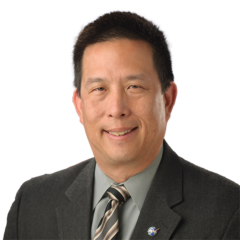
09:00
09:45
Sovereign Constellations and the Fragmenting Market
Europe and China are building government-backed satellite networks. What that does to American companies.
-
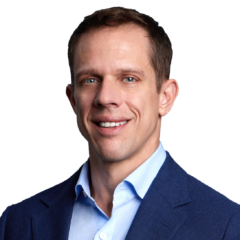 Drew Svor
MODERATOR
Partner
Sheppard
Drew Svor
MODERATOR
Partner
Sheppard
-
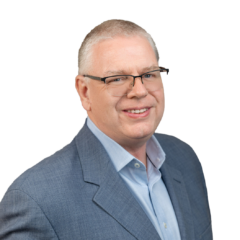 Ian Canning
President & CEO
Eutelsat Network Solutions
Ian Canning
President & CEO
Eutelsat Network Solutions
-
 Tina Ghataore
Global Chief Strategy & Revenue Officer
Aerospacelab
Tina Ghataore
Global Chief Strategy & Revenue Officer
Aerospacelab
-
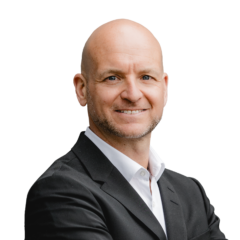 Alex Mueller-Gastell
CEO and MD
ND Satcom
Alex Mueller-Gastell
CEO and MD
ND Satcom
-
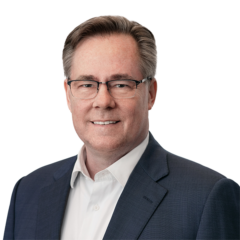 Armand Musey
President and Founder
Summit Ridge Group
Armand Musey
President and Founder
Summit Ridge Group
-
 Mary Walker
Co-Founder and CEO
Symphony Space Inc
Mary Walker
Co-Founder and CEO
Symphony Space Inc
09:45
10:00
Protected PNT: The Unfunded Resilience Buy
Backup systems for GPS exist, but almost nobody is paying for them.
10:00
10:45
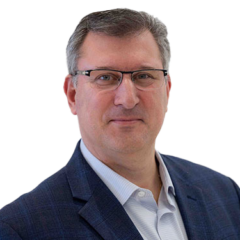
Orchestrating the D2D network of networks
An exploration of how to ensure interoperability across satellite and mobile networks, build successful MNO/SNO commercial models, and lay the path to the autonomous networks of the future.

10:45
11:15
Break
11:15
12:00
Buses vs. Vertical Integration: Who Builds the Proliferated Era
The factory question: standardized satellite platforms versus companies that build everything themselves. The fight is who builds the proliferated era and who finances production before contract certainty. The industria
-
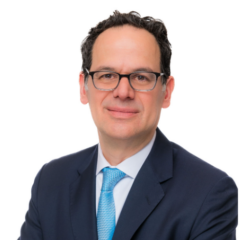 Noel Rimalovski
MODERATOR
Managing Partner
GH Partners
Noel Rimalovski
MODERATOR
Managing Partner
GH Partners
-
 Patrick Haddox
Co-Founder and CEO
Samara Aerospace
Patrick Haddox
Co-Founder and CEO
Samara Aerospace
-
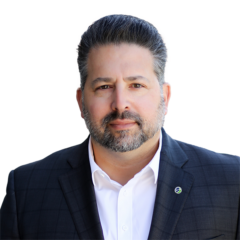 Peter Krauss
President and Chief Executive Officer
Terran Orbital
Peter Krauss
President and Chief Executive Officer
Terran Orbital
-
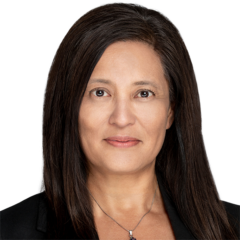 Melanie Preisser
General Manager/Executive Vice President
York Space Systems
Melanie Preisser
General Manager/Executive Vice President
York Space Systems
-
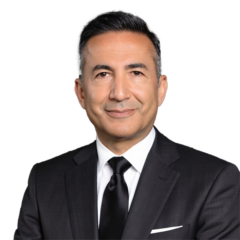 Shey Sabripour
Founder & CEO
CesiumAstro
Shey Sabripour
Founder & CEO
CesiumAstro
-
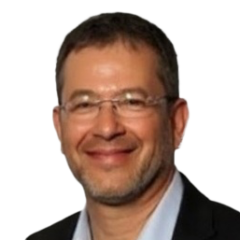 Gil Shacham
U.S Business Development Lead
MDA Space Satellite Systems
Gil Shacham
U.S Business Development Lead
MDA Space Satellite Systems
08:00
08:45
09:00
09:45
10:00
10:45
11:15
08:00
09:00
BreakFast
08:45
09:00
09:00
09:45
Sovereign Constellations and the Fragmenting Market
Europe and China are building government-backed satellite networks. What that does to American companies.
-
Drew Svor
MODERATOR
Partner
Sheppard
-
Ian Canning
President & CEO
Eutelsat Network Solutions
-
Tina Ghataore
Global Chief Strategy & Revenue Officer
Aerospacelab
-
Alex Mueller-Gastell
CEO and MD
ND Satcom
-
Armand Musey
President and Founder
Summit Ridge Group
-
Mary Walker
Co-Founder and CEO
Symphony Space Inc
09:45
10:00
Protected PNT: The Unfunded Resilience Buy
Backup systems for GPS exist, but almost nobody is paying for them.
10:00
10:45
Orchestrating the D2D network of networks
An exploration of how to ensure interoperability across satellite and mobile networks, build successful MNO/SNO commercial models, and lay the path to the autonomous networks of the future.
10:45
11:15
Break
11:15
12:00
Buses vs. Vertical Integration: Who Builds the Proliferated Era
The factory question: standardized satellite platforms versus companies that build everything themselves. The fight is who builds the proliferated era and who finances production before contract certainty. The industria
-
Noel Rimalovski
MODERATOR
Managing Partner
GH Partners
-
Patrick Haddox
Co-Founder and CEO
Samara Aerospace
-
Peter Krauss
President and Chief Executive Officer
Terran Orbital
-
Melanie Preisser
General Manager/Executive Vice President
York Space Systems
-
Shey Sabripour
Founder & CEO
CesiumAstro
-
Gil Shacham
U.S Business Development Lead
MDA Space Satellite Systems