MilSat Symposium begins
The national-security half of Silicon Valley Space Week starts here.
12:00

SVSW 2026 · Oct 27 – 29 · Mountain View
The national-security half of Silicon Valley Space Week starts here.
Satellite-imagery companies depend on a few government contracts, and that dependence is now a business risk.
Looking at how the military is trying to change its orbital architecture from fragile, stationary targets into a dynamic, sustainable fleet. Here is a breakdown of the core concepts to be discussed. 1. Warfighter-Ready S
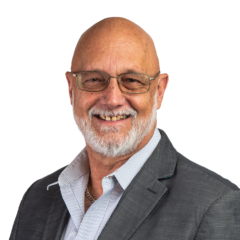 Prof. Andy Kwas
MODERATOR
NG Fellow
Northrop Grumman
Prof. Andy Kwas
MODERATOR
NG Fellow
Northrop Grumman
 Dr. Robert Antypas
Space Access, Mobility, and Logistics Mission Area Lead
US Air Force Research Laboratory – AFRL
Dr. Robert Antypas
Space Access, Mobility, and Logistics Mission Area Lead
US Air Force Research Laboratory – AFRL
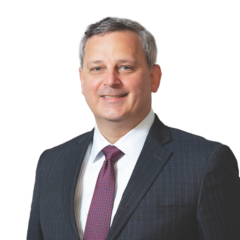 Jeff Chiow
Chair, Government Contracts
Greenberg Traurig LLP
Jeff Chiow
Chair, Government Contracts
Greenberg Traurig LLP
 Erik Daehler
SVP of Defense Technology
Sierra Space
Erik Daehler
SVP of Defense Technology
Sierra Space
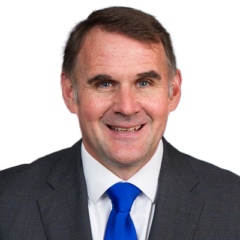 Dr. David Denhard
Chief Scientist & Technical Advisor
U.S. Space Command
Dr. David Denhard
Chief Scientist & Technical Advisor
U.S. Space Command
 John Rood
Chairman of the Board, President, and CEO
Momentus
John Rood
Chairman of the Board, President, and CEO
Momentus
The budget made the mesh decision; the fight now is execution and concentration. 2027 shifts transport from SDA’s Tranche 3 plans to an SDN backbone and instead funds a $1.6 billion Proliferated LEO SATCOM line identifie
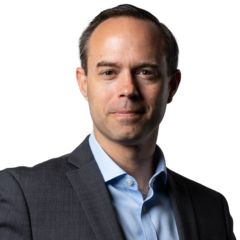 Preston Dunlap
MODERATOR
Founder and Managing Partner
Arkenstone Capital
Preston Dunlap
MODERATOR
Founder and Managing Partner
Arkenstone Capital
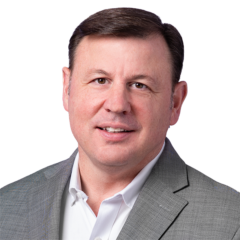 Michael Geist
SVP Strategy, Innovation & Growth
SES Space & Defense
Michael Geist
SVP Strategy, Innovation & Growth
SES Space & Defense
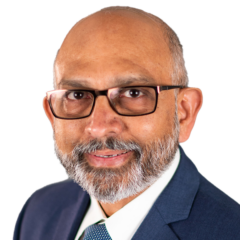 Dr. Rajeev Gopal
VP, Advanced Programs Defense Division
Hughes Network Systems
Dr. Rajeev Gopal
VP, Advanced Programs Defense Division
Hughes Network Systems
 Dr. Lucy Hoag
Founder and CEO
Violet Labs
Dr. Lucy Hoag
Founder and CEO
Violet Labs
 John Malsbury
CEO & Founder
AnySignal
John Malsbury
CEO & Founder
AnySignal
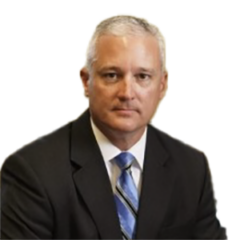 Jim Scott
Chief Strategy Officer
US Electrodynamics
Jim Scott
Chief Strategy Officer
US Electrodynamics
 Chris Quilty
MODERATOR
CEO & President
Quilty Space
Chris Quilty
MODERATOR
CEO & President
Quilty Space
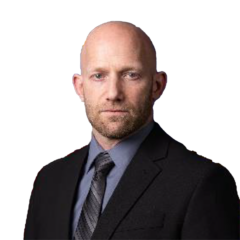 Mr. Justin Langlois
Deputy Director, Commercial Systems Program office
National Reconnaissance Office
Mr. Justin Langlois
Deputy Director, Commercial Systems Program office
National Reconnaissance Office
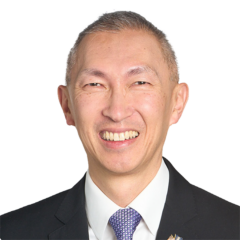 Rich Pang
Principal Business Development Lead
Amazon Leo Government
Rich Pang
Principal Business Development Lead
Amazon Leo Government
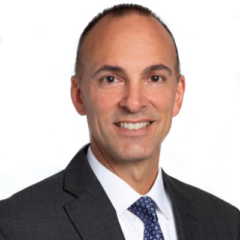 Bob Pescatore
General Manager/Vice President – Products
Voyager
Bob Pescatore
General Manager/Vice President – Products
Voyager
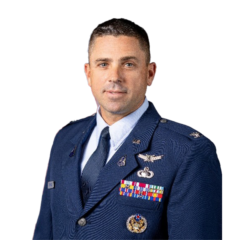 Col Timothy Trimailo
Director, Commercial Space Office (COMSO)
Space Systems Command (SSC)
Col Timothy Trimailo
Director, Commercial Space Office (COMSO)
Space Systems Command (SSC)
Satellite-imagery companies depend on a few government contracts, and that dependence is now a business risk.
Looking at how the military is trying to change its orbital architecture from fragile, stationary targets into a dynamic, sustainable fleet. Here is a breakdown of the core concepts to be discussed. 1. Warfighter-Ready S
Prof. Andy Kwas
MODERATOR
NG Fellow
Northrop Grumman
Dr. Robert Antypas
Space Access, Mobility, and Logistics Mission Area Lead
US Air Force Research Laboratory – AFRL
Jeff Chiow
Chair, Government Contracts
Greenberg Traurig LLP
Erik Daehler
SVP of Defense Technology
Sierra Space
Dr. David Denhard
Chief Scientist & Technical Advisor
U.S. Space Command
John Rood
Chairman of the Board, President, and CEO
Momentus
The budget made the mesh decision; the fight now is execution and concentration. 2027 shifts transport from SDA’s Tranche 3 plans to an SDN backbone and instead funds a $1.6 billion Proliferated LEO SATCOM line identifie
Preston Dunlap
MODERATOR
Founder and Managing Partner
Arkenstone Capital
Michael Geist
SVP Strategy, Innovation & Growth
SES Space & Defense
Dr. Rajeev Gopal
VP, Advanced Programs Defense Division
Hughes Network Systems
Dr. Lucy Hoag
Founder and CEO
Violet Labs
John Malsbury
CEO & Founder
AnySignal
Jim Scott
Chief Strategy Officer
US Electrodynamics
Chris Quilty
MODERATOR
CEO & President
Quilty Space
Mr. Justin Langlois
Deputy Director, Commercial Systems Program office
National Reconnaissance Office
Rich Pang
Principal Business Development Lead
Amazon Leo Government
Bob Pescatore
General Manager/Vice President – Products
Voyager
Col Timothy Trimailo
Director, Commercial Space Office (COMSO)
Space Systems Command (SSC)
Twelve companies won contracts to build missile interceptors in space. Can industry actually deliver by 2028.
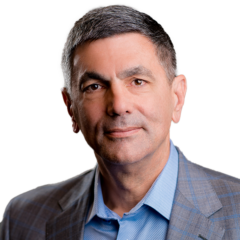 Phil Carrai
MODERATOR
President, Space, Training & Cyber Division
Kratos Space, Training and Cybersecurity
Phil Carrai
MODERATOR
President, Space, Training & Cyber Division
Kratos Space, Training and Cybersecurity
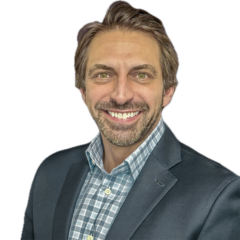 Dr. David Baughman
VP, BD and Strategy
Frontier Aerospace Corporation
Dr. David Baughman
VP, BD and Strategy
Frontier Aerospace Corporation
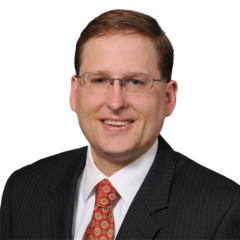 Mike Conschafter
Director of Business Development, Spectral Solutions
L3Harris
Mike Conschafter
Director of Business Development, Spectral Solutions
L3Harris
 Myland Pride
Director, MWTD Strategy and Advanced Capabilities
Lockheed Martin
Myland Pride
Director, MWTD Strategy and Advanced Capabilities
Lockheed Martin
 John Trionfo
CEO
Aeonyx
John Trionfo
CEO
Aeonyx
If a requisitioned commercial satellite is attacked, who carries the loss. Indemnification language remains publicly unresolved as the program crosses full operational capability,
Commercial satellite photos are entering military decisions. How are they being used and by whom. Whether AI-derived commercial intelligence survives contact with lawyers, analysts, and commanders is the GEOINT question
 Dr. Dr. James Crawford
MODERATOR
CSO
Privateer Space
Dr. Dr. James Crawford
MODERATOR
CSO
Privateer Space
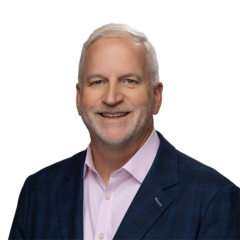 Robert Cardillo
Chief Strategist and Chairman of the Board
Planet Labs Federal
Robert Cardillo
Chief Strategist and Chairman of the Board
Planet Labs Federal
 Scot Currie
Senior Vice President of US Government Engagement
Blacksky
Scot Currie
Senior Vice President of US Government Engagement
Blacksky
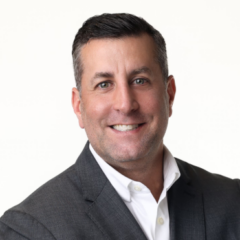 Matt Jenkins
Chief Space Systems Officer
Vantor
Matt Jenkins
Chief Space Systems Officer
Vantor
 Dr. Didi Kuo
Principal Deputy Director, GEOINT
National Reconnaissance Office
Dr. Didi Kuo
Principal Deputy Director, GEOINT
National Reconnaissance Office
The military is hiring private companies to watch, refuel, and guard satellites. It is is moving away from massive, static satellites and toward agile, commercially supported fleets that can actively maneuver in a conte
 Dr. Eric Anderson
MODERATOR
President
And One Technologies
Dr. Eric Anderson
MODERATOR
President
And One Technologies
 Gregg Burgess
President and General Manager
Orion Space Solutions
Gregg Burgess
President and General Manager
Orion Space Solutions
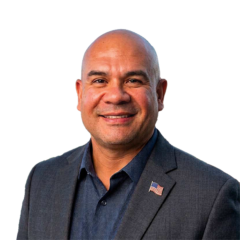 COL(ret) Joe Guzman
Founder and CEO
Space Cowboy ADR
COL(ret) Joe Guzman
Founder and CEO
Space Cowboy ADR
 Dr. Richard Nederlander
Founder & CEO
Spargo Space
Dr. Richard Nederlander
Founder & CEO
Spargo Space
 Courtney Sayles
Chief Product Officer
Scout Space
Courtney Sayles
Chief Product Officer
Scout Space
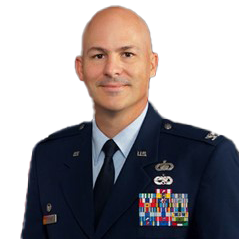 Col. Owen Stephens
Director of Contracting for the Space Rapid Capabilities Office (Space RCO)
Space Force
Col. Owen Stephens
Director of Contracting for the Space Rapid Capabilities Office (Space RCO)
Space Force
GPS is being jammed and faked around the world. The jamming and spoofing epidemic has only widened and protected-satcom money is moving.
AI has become integral to satellite operations, enabling networks to respond faster, optimise resources and manage increasing operational complexity. This session explores how AI is being applied across satellite network
Who insures a satellite destined for National Security? A new market is forming around that question.
The "future architecture" is heavily proliferated. This means relying on hundreds or thousands of smaller, cheaper, networked satellites in Low Earth Orbit (LEO). If an adversary disables one, the rest of the network sea
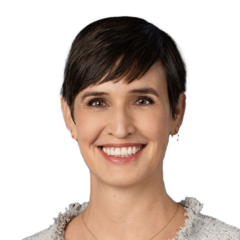 Janna Lewis
MODERATOR
Senior VP of Policy & General Counsel
Astroscale U.S. Inc.
Janna Lewis
MODERATOR
Senior VP of Policy & General Counsel
Astroscale U.S. Inc.
 Allyson Jenkins
Vice President, Public Sector
Pixxel
Allyson Jenkins
Vice President, Public Sector
Pixxel
 Sho Nakanose
Founder & CEO
GITAI USA Inc.
Sho Nakanose
Founder & CEO
GITAI USA Inc.
 Dr. Robbie Robertson
CEO & Co-founder
Sedaro
Dr. Robbie Robertson
CEO & Co-founder
Sedaro
 Karl Stedman
CEO
Pulse Space
Karl Stedman
CEO
Pulse Space
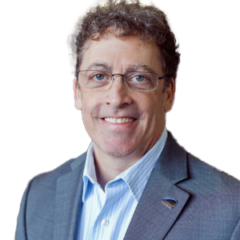 Brian Rishikof
Co-Founder and CEO
Odyssey Space Research, L.L.C.
Brian Rishikof
Co-Founder and CEO
Odyssey Space Research, L.L.C.
Commercial integration from the start: hybrid architectures from the design process through system implementation and deployment
Twelve companies won contracts to build missile interceptors in space. Can industry actually deliver by 2028.
Phil Carrai
MODERATOR
President, Space, Training & Cyber Division
Kratos Space, Training and Cybersecurity
Dr. David Baughman
VP, BD and Strategy
Frontier Aerospace Corporation
Mike Conschafter
Director of Business Development, Spectral Solutions
L3Harris
Myland Pride
Director, MWTD Strategy and Advanced Capabilities
Lockheed Martin
John Trionfo
CEO
Aeonyx
If a requisitioned commercial satellite is attacked, who carries the loss. Indemnification language remains publicly unresolved as the program crosses full operational capability,
Commercial satellite photos are entering military decisions. How are they being used and by whom. Whether AI-derived commercial intelligence survives contact with lawyers, analysts, and commanders is the GEOINT question
Dr. Dr. James Crawford
MODERATOR
CSO
Privateer Space
Robert Cardillo
Chief Strategist and Chairman of the Board
Planet Labs Federal
Scot Currie
Senior Vice President of US Government Engagement
Blacksky
Matt Jenkins
Chief Space Systems Officer
Vantor
Dr. Didi Kuo
Principal Deputy Director, GEOINT
National Reconnaissance Office
The military is hiring private companies to watch, refuel, and guard satellites. It is is moving away from massive, static satellites and toward agile, commercially supported fleets that can actively maneuver in a conte
Dr. Eric Anderson
MODERATOR
President
And One Technologies
Gregg Burgess
President and General Manager
Orion Space Solutions
COL(ret) Joe Guzman
Founder and CEO
Space Cowboy ADR
Dr. Richard Nederlander
Founder & CEO
Spargo Space
Courtney Sayles
Chief Product Officer
Scout Space
Col. Owen Stephens
Director of Contracting for the Space Rapid Capabilities Office (Space RCO)
Space Force
GPS is being jammed and faked around the world. The jamming and spoofing epidemic has only widened and protected-satcom money is moving.
AI has become integral to satellite operations, enabling networks to respond faster, optimise resources and manage increasing operational complexity. This session explores how AI is being applied across satellite network
Who insures a satellite destined for National Security? A new market is forming around that question.
The "future architecture" is heavily proliferated. This means relying on hundreds or thousands of smaller, cheaper, networked satellites in Low Earth Orbit (LEO). If an adversary disables one, the rest of the network sea
Janna Lewis
MODERATOR
Senior VP of Policy & General Counsel
Astroscale U.S. Inc.
Allyson Jenkins
Vice President, Public Sector
Pixxel
Sho Nakanose
Founder & CEO
GITAI USA Inc.
Dr. Robbie Robertson
CEO & Co-founder
Sedaro
Karl Stedman
CEO
Pulse Space
Brian Rishikof
Co-Founder and CEO
Odyssey Space Research, L.L.C.
Commercial integration from the start: hybrid architectures from the design process through system implementation and deployment